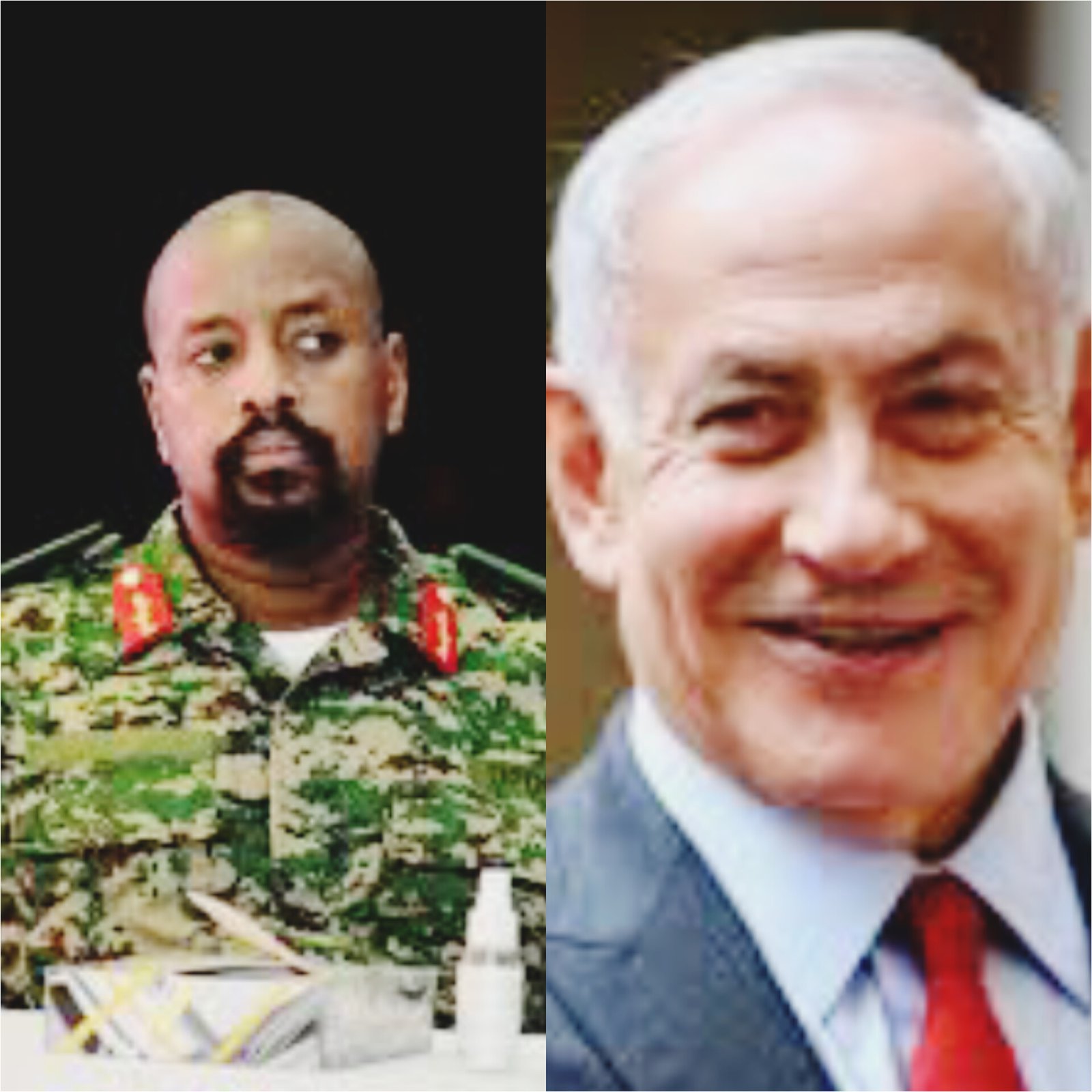
Uganda’s Chief of Defence Forces, Muhoozi Kainerugaba, has sparked widespread debate after making a provocative statement suggesting that Iran would not stand a chance in a military confrontation with Uganda.
Thank you for reading this post, don't forget to subscribe!
In a message shared through his usual social media commentary, Muhoozi claimed that when it comes to war, Iranian forces would be no match for the Uganda People’s Defence Forces (UPDF). The remarks quickly attracted attention online, with many interpreting them as part of his long-running pattern of bold and controversial statements on international affairs.
The comments come at a time when global tensions involving Iran continue to draw attention from world leaders and analysts. Iran has been at the centre of geopolitical discussions involving the Middle East, Western powers, and regional security dynamics. Against that backdrop, Muhoozi’s statement added an unexpected African voice to an already sensitive international conversation.
Critics, hwowever, questioned the necessity of such remarks, arguing that Uganda and Iran do not have any active military conflict or known hostility that would justify such comparisons. Others viewed the comments as a personal opinion rather than official government policy, noting that Uganda’s foreign policy remains focused on diplomacy and regional cooperation.
Supporters of Muhoozi, on the other hand, defended him, saying he often uses social media to project confidence in Uganda’s military strength and assert national pride. They argue that his statements should not always be interpreted literally but rather as expressions of personal conviction about the capabilities of the UPDF.
Neither the Ugandan government nor Iranian officials have issued an official response to the remarks. However, the statement has already gained traction across online platforms, fuelling debate about military rhetoric, diplomacy, and the role of senior military figures in public political discourse.
As discussions continue, the comments highlight the growing influence of military leaders in shaping public conversations beyond national borders, especially in the age of instant social media reactions.
Kindly share