By Gabriel Maxwell Morris
Thank you for reading this post, don't forget to subscribe!For decades, Bayelsa State has remained one of Nigeria’s foremost oil-producing states, contributing significantly to the nation’s economy through its abundant petroleum resources. Yet, in many of the communities where this wealth is generated, the story is markedly different. Across several riverine and hinterland settlements, residents continue to grapple with inadequate infrastructure, limited access to healthcare, poor educational facilities, environmental degradation, unemployment, and a lack of basic social amenities.

This reality prompts a timely and important question: Should the Bayelsa State Government establish a Bayelsa State Oil Producing Area Development Commission (BASOPADC)?
The proposal deserves thoughtful public discourse. A dedicated commission focused exclusively on the development of oil-producing communities could complement existing government institutions by ensuring that the peculiar challenges of these areas receive sustained attention and targeted interventions.
Despite the considerable revenues accruing to Bayelsa State through the Federation Account and the 13 percent derivation principle, many oil-bearing communities still struggle to access clean drinking water, functional health centres, quality schools, reliable electricity, and durable road or water transportation infrastructure. In some communities, residents continue to depend on polluted streams and creeks for their daily water needs, while young people face limited opportunities for employment and skills development.
The establishment of BASOPADC could provide a structured mechanism for addressing these challenges. With a clearly defined mandate, the commission could focus on projects such as potable water schemes, rural electrification, environmental remediation, shoreline protection, healthcare delivery, educational support, road and jetty construction, youth and women empowerment, agricultural development, entrepreneurship programmes, and other community-driven initiatives.
Importantly, such a commission should not be viewed as a replacement for existing ministries or development agencies. Rather, it could serve as a specialised institution designed to accelerate development in communities whose economic contributions have been central to both the state’s and the nation’s prosperity.
Bayelsa has recorded notable progress under successive administrations in infrastructure and public service delivery. Nevertheless, the developmental realities in many oil-producing communities suggest that additional institutional support may be beneficial. A commission dedicated to these communities could enhance planning, improve project coordination, encourage greater community participation, and strengthen accountability in the implementation of development programmes.
As conversations around inclusive development continue, stakeholders—including government officials, members of the Bayelsa State House of Assembly, traditional rulers, civil society organisations, community leaders, youth groups, women organisations, and development partners—should carefully examine the merits, structure, funding, and operational framework of such a commission.
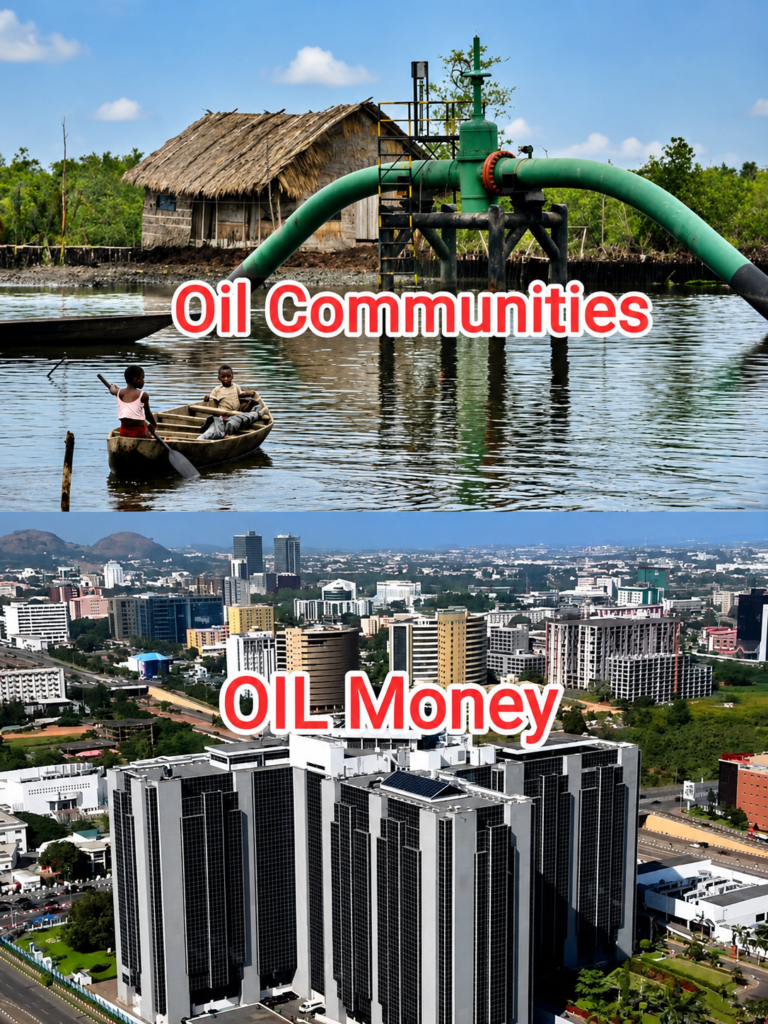
Ultimately, the success of any government is measured not only by projects in urban centres but also by the quality of life experienced by citizens in rural and riverine communities. Development should reach every corner of Bayelsa State, particularly the communities whose natural resources have sustained the economy for generations.
The call for a Bayelsa State Oil Producing Area Development Commission is, therefore, an invitation to broaden the conversation on equitable development, social justice, and the long-term prosperity of oil-producing communities.
As Bayelsa charts its future, the welfare of its people must remain paramount. Access to clean water, quality education, healthcare, economic opportunities, and a healthy environment should not be aspirations—they should be guarantees.
May God grant our leaders wisdom, compassion, and the resolve to continue pursuing policies that uplift every community and ensure that the dividends of development are shared fairly across the state.
*Gabriel Maxwell Morris is a Fellow of the Institute of Mass Communication and Information Management
Editor’s Note: The views expressed in this opinion article are those of the author, Gabriel Maxwell Morris, and do not necessarily reflect the editorial position of EMTV News.
Kindly share