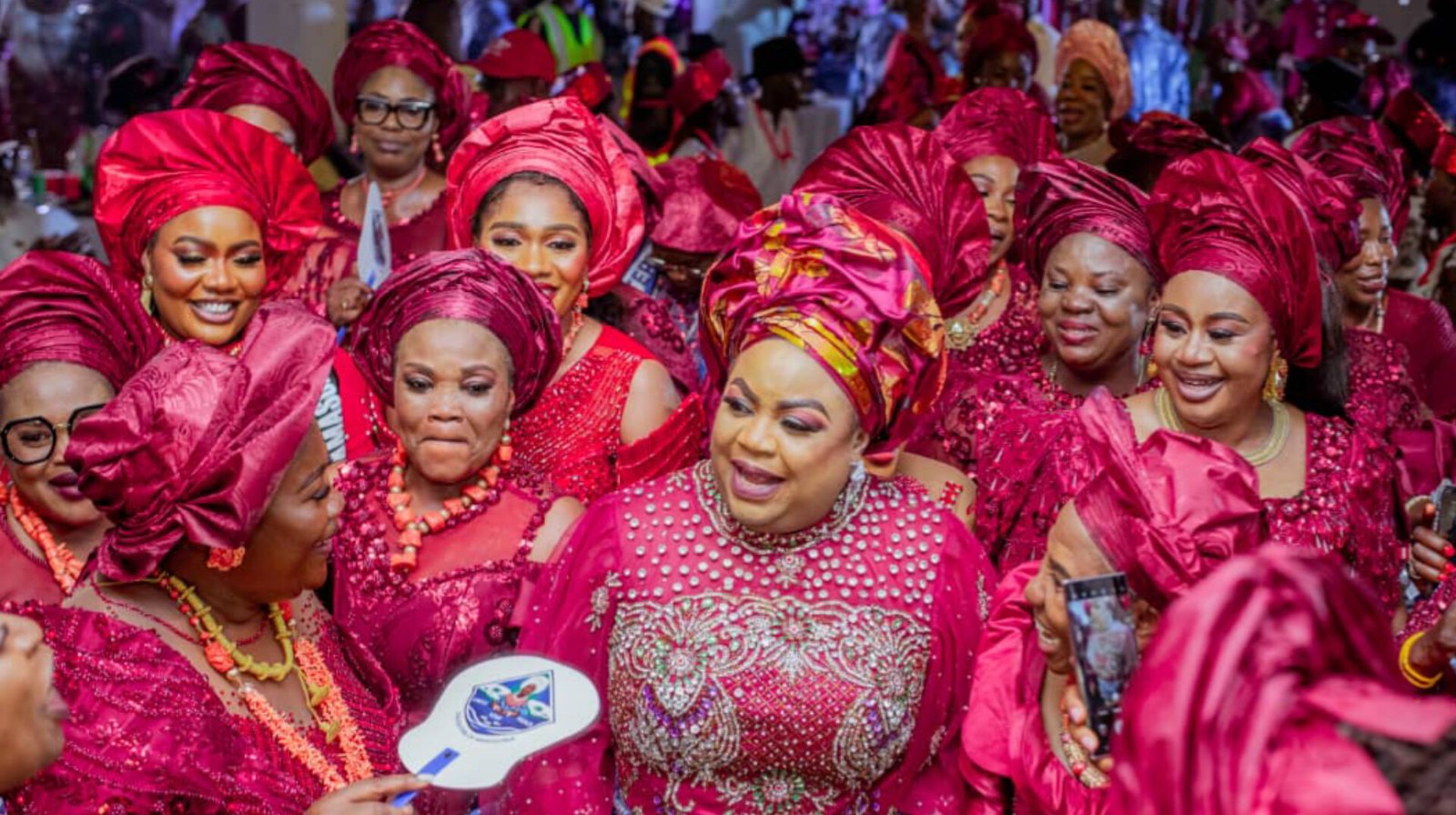
AMASSOMA, BAYELSA STATE – What began as an urgent intervention to prevent a looming chieftaincy crisis in Amassoma has evolved into one of the most influential women-led community development organizations in Bayelsa State.
Thank you for reading this post, don't forget to subscribe!
The Daughters of Amassoma (DOA), now a formidable force for peace, education, and community development, was born out of fears that the community could descend into violence over the contest for the Amananaowei stool.
Amassoma, the largest Ijaw community and host of the Niger Delta University (NDU), found itself at a crossroads as disagreements over the traditional leadership succession intensified, with competing interests reportedly drawing battle lines and threatening unrest.
According to the leadership of DOA, the women of Amassoma could not stand by and watch their community descend into crisis.
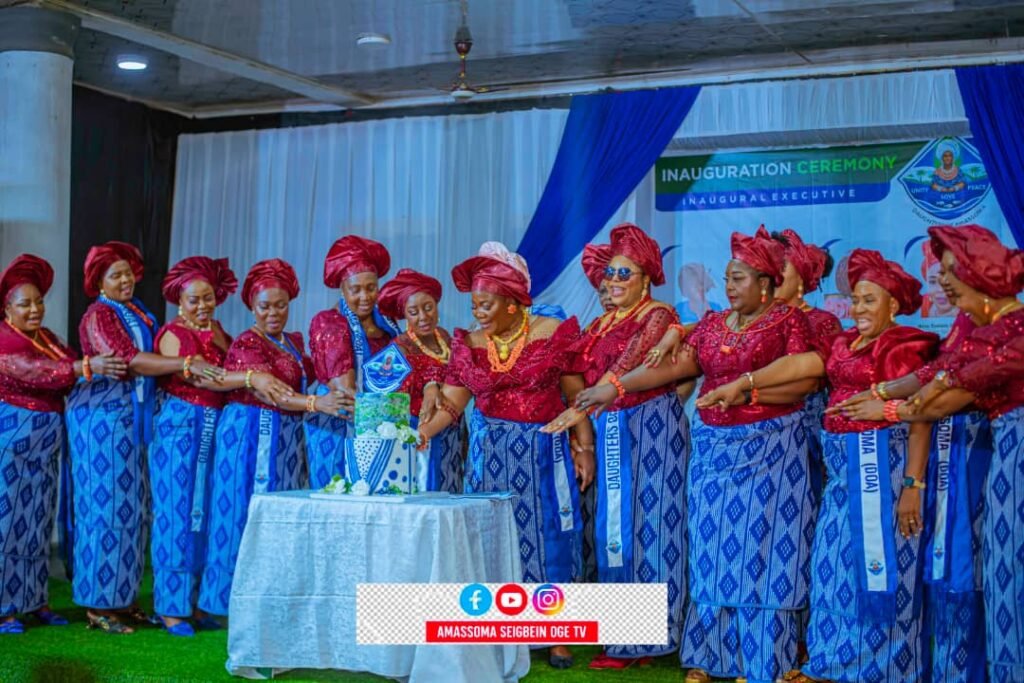
“We had watched other communities experience bloodshed over chieftaincy disputes. We could not sit and watch Amassoma follow the same path,” the organization recalled.
The initiative to intervene was spearheaded by High Chief Mrs. Douyi Alalibo, Ph.D., the Ere Pere I of Amassoma and current President of the Daughters of Amassoma. Alongside Chief Eunice Bratua Apreala, Princess Rosemary John-Oduone, the late Hon. Vivien Ere, and Chief Dame Julie Donli, OON, a strategic meeting was convened to chart a path toward peace.
“There was no fear, only urgency. If we did not act, Amassoma would crash before our eyes and we would have no home to call our own,” the women stated.
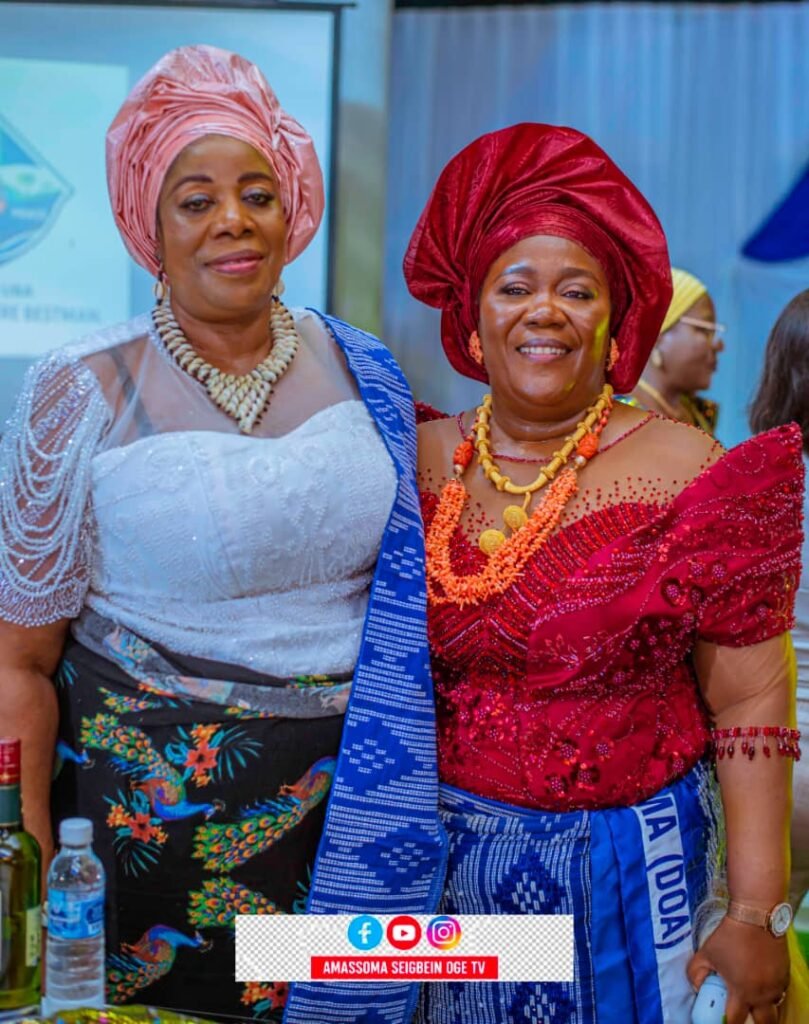
Recognizing the important role women play in conflict resolution, the group declared its determination to ensure peace prevailed.
“When mothers and daughters speak, their words carry power. ‘Women will take over the throne’ was not a threat but a collective message that if men could not coordinate a peaceful resolution, women would step in to prevent the community from being destroyed.”
The women quickly established an interim committee led by the late Hon. Vivien Ere, with Deaconess Mrs. Sarah Ogbe-Soreh serving as secretary. Letters were dispatched to key stakeholders, including the Governor of Bayelsa State, traditional rulers, and community leaders.

Their intervention generated immediate reactions.
The member representing Southern Ijaw Federal Constituency, Hon. Engr. Rodney Ebikebina Ambaiowei, upon receiving the letter, promptly convened a stakeholders’ meeting involving all parties, women leaders, and representatives from the various Ama’s and Biri’s in Amassoma.
At the first town hall meeting, Hon. Ambaiowei reportedly remarked:
“The way these women are going, if we don’t attend to this crisis, we will be embarrassed because they are powerful women.”

The Governor of Bayelsa State, Senator Douye Diri, also responded by assigning the late Deputy Governor, Senator Lawrence Ewhrudjakpo, to oversee a process aimed at finding lasting solutions to the dispute.
Although the process was not fully concluded before the deputy governor’s passing, community leaders say the intervention helped restore relative peace and prevented the crisis from escalating.
From that moment of crisis response, the women decided to institutionalize their efforts by establishing the Daughters of Amassoma as a permanent body dedicated to the growth and development of the community.
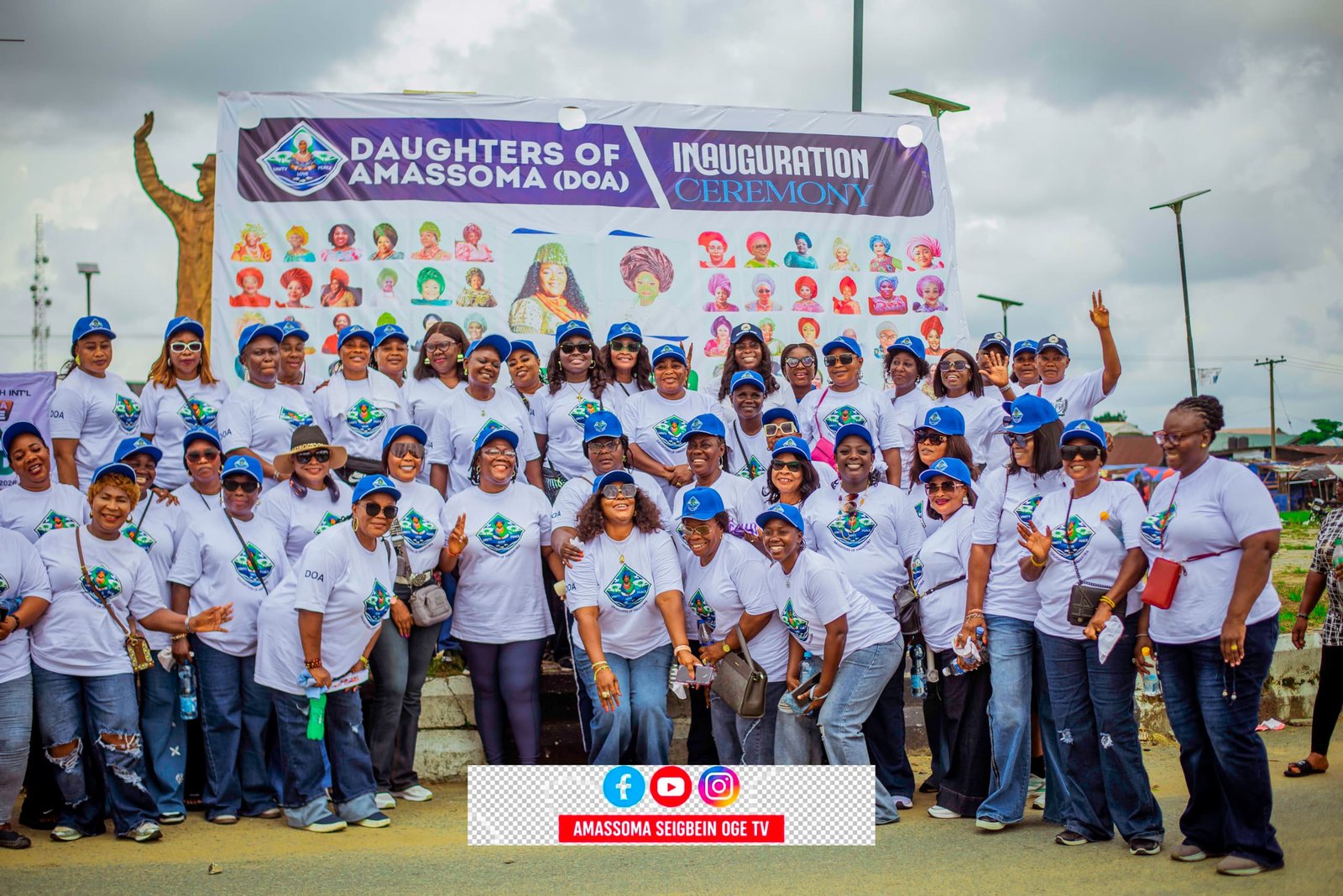
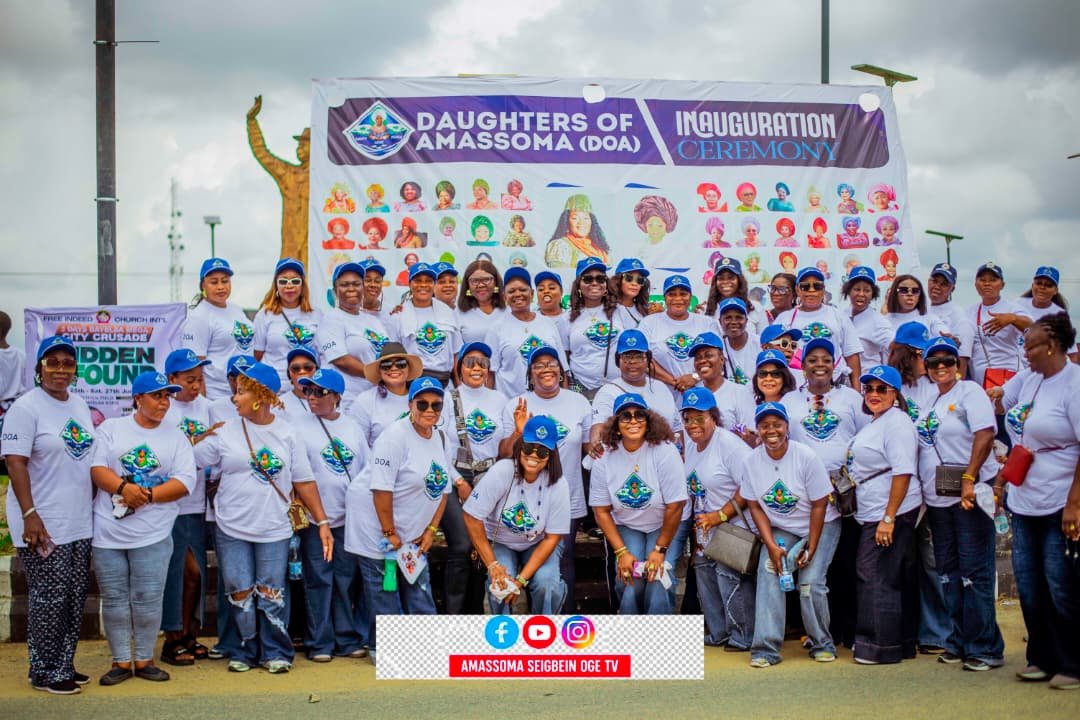


“Our voices had become powerful, so we decided to build a strong institution that will always think and work together for the development of Amassoma.”
The organization paid glowing tribute to the late Hon. Vivien Ere and the late Deaconess Hon. Mrs. Elizabeth Bidei, describing them as founding pillars whose sacrifices and courage laid the foundation for the organization.
“Her death created a huge vacuum, but her legacy of service, love, and acceptance lives on,” the organization said of the late Hon. Vivien Ere.
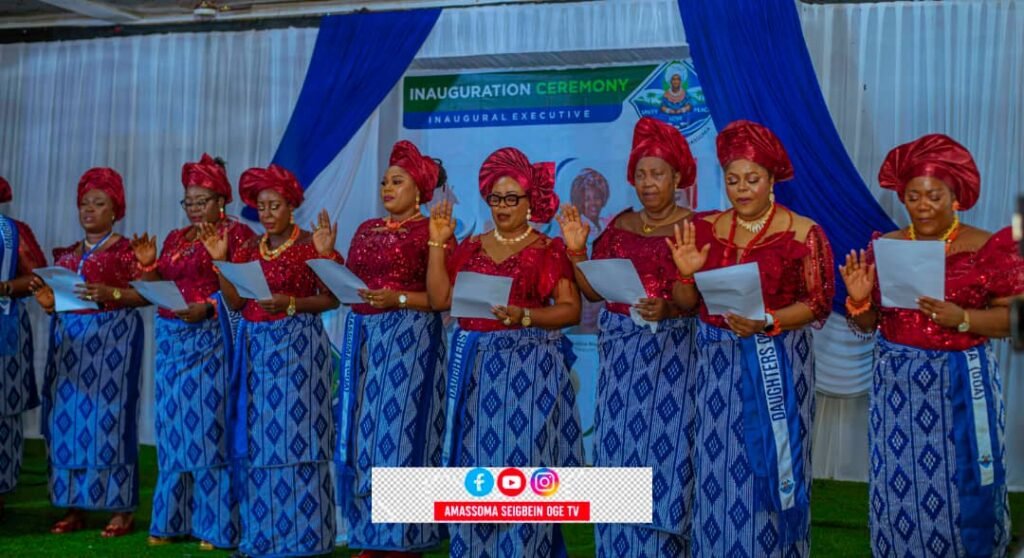
Today, DOA has expanded its mission beyond peace advocacy into community development and human capacity building.
The organization is already sponsoring university scholarships for six students—three males and three females—representing the six Biri of Amassoma.
Plans are also underway to empower women economically through projects that include the establishment of an ultra-modern market that will enable women to own and sublet shops at little or no cost.

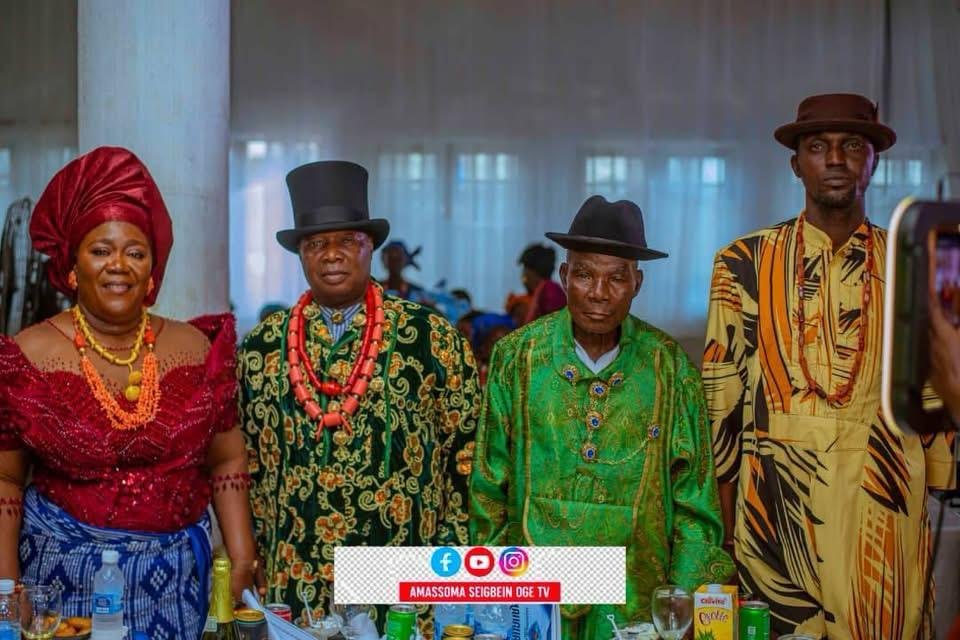


“Our next charge is to see Amassoma women and daughters rise to their responsibilities as mothers, wives, and sisters. Together, we will build a stronger Amassoma for generations to come.”
As the Daughters of Amassoma continue to grow, the organization says it remains committed to preserving peace, empowering women and youths, and writing a new chapter in the history of the ancient kingdom—one defined not by conflict, but by unity, development, and collective progress.
Kindly share