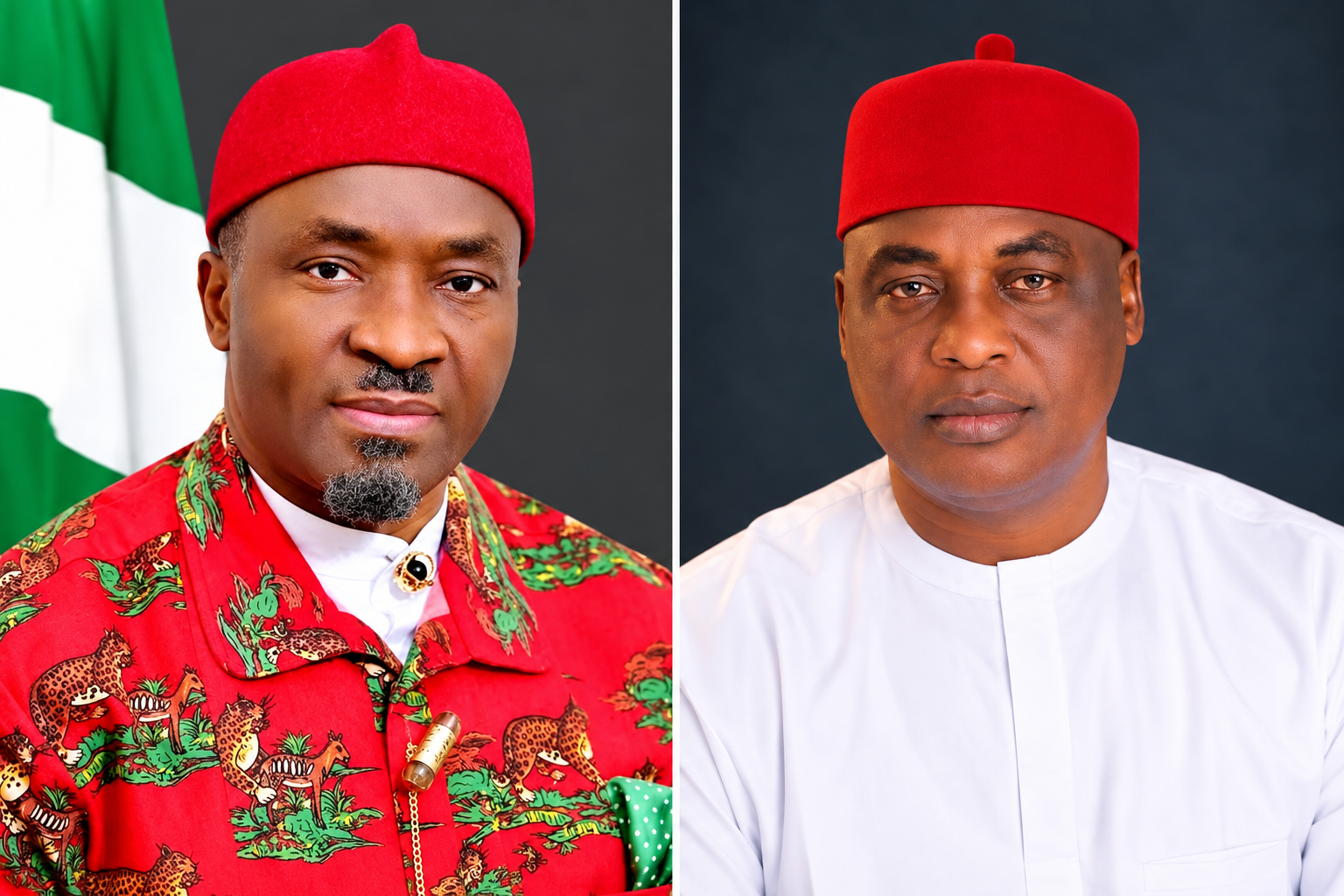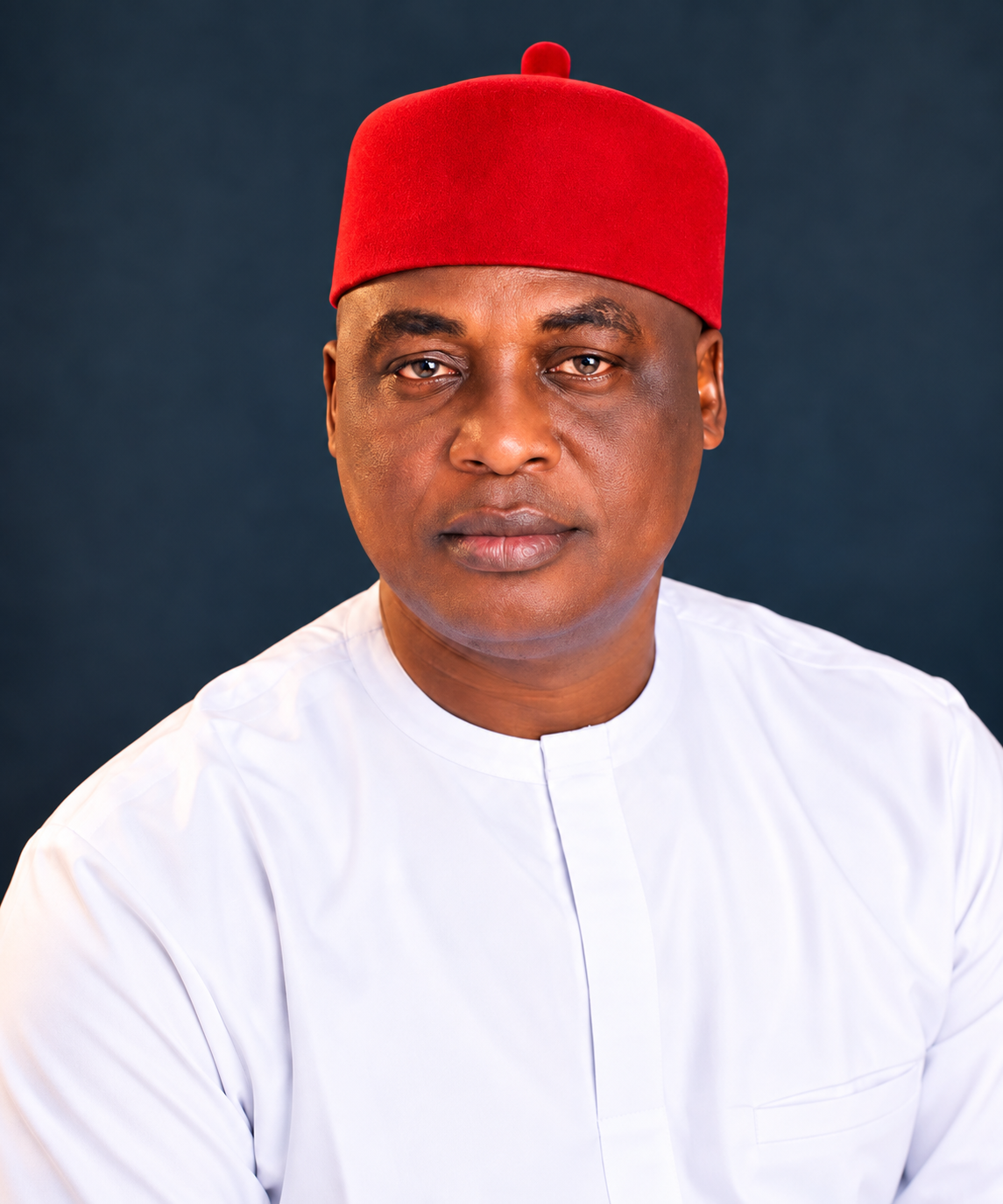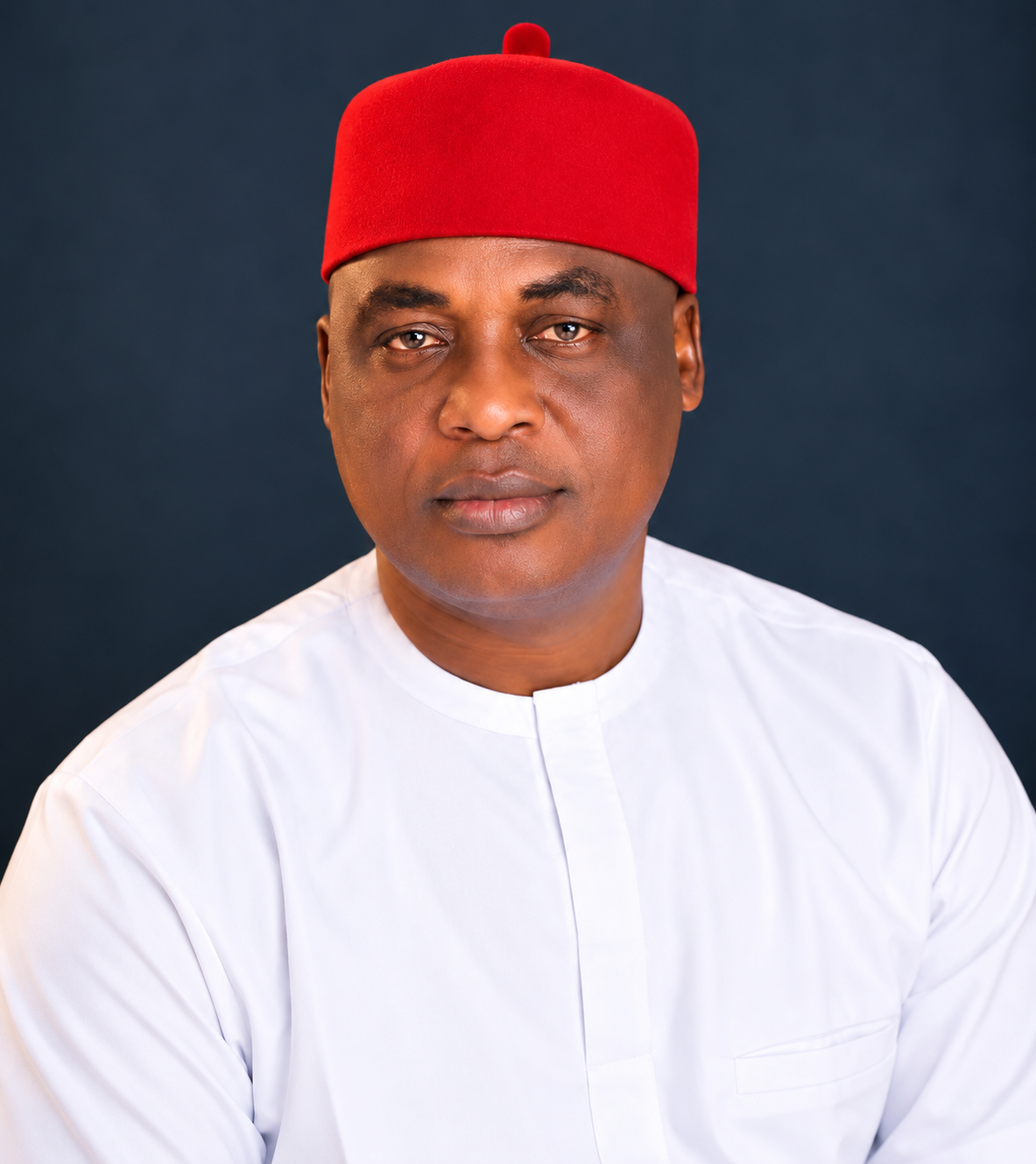
By Darlington Onyebuchi Agoha
Thank you for reading this post, don't forget to subscribe!Nigeria is standing at a critical geopolitical and existential crossroads. Beyond the familiar debates about political sovereignty and economic independence lies another battle that Nigerians must begin to take seriously—the battle for control of our food system.
Under the banner of philanthropy, agricultural development and technological innovation, foreign foundations, multinational corporations and non-governmental organisations are playing an increasingly influential role in Africa’s agricultural sector. At the centre of this debate is billionaire philanthropist Bill Gates and the network of organisations associated with his agricultural interventions.
The aggressive promotion of genetically modified organisms (GMOs) in Nigeria should therefore not be treated as a mere agricultural policy issue. It raises fundamental questions about food sovereignty, public health, biodiversity, farmers’ independence and the future ownership of our food production systems.
The central question is simple: Who ultimately controls what Nigerians plant, harvest and eat?
For a country blessed with enormous agricultural potential and a remarkable diversity of indigenous crops, Nigeria must be careful not to replace one form of dependence with another.
GMO technology is often presented as a solution to food insecurity, climate change, crop losses and declining agricultural productivity. Supporters point to its potential benefits, including improved crop yields and resistance to certain pests and environmental stresses.
But technological possibility should not automatically translate into national dependence.
Nigeria must ask difficult questions about seed ownership, intellectual property, farmers’ access to planting materials, environmental consequences, long-term health implications and the influence of foreign corporations over national agricultural policies.
These questions are particularly important because seeds are not ordinary commodities. They are the foundation of food production. A nation that loses control over its seed systems risks surrendering an important component of its agricultural sovereignty.
For decades, the Bill & Melinda Gates Foundation has committed substantial resources to agricultural development initiatives across Africa. While proponents describe these interventions as efforts to improve food security and agricultural productivity, critics argue that the enormous financial power of foreign philanthropic organisations can translate into disproportionate influence over agricultural priorities and public policy.
This deserves serious public scrutiny.
Nigeria should never confuse foreign funding with development. Money can build infrastructure, support research and strengthen institutions, but it can also influence priorities. The fundamental responsibility of government is therefore to ensure that every external partnership serves the long-term interests of Nigerians.
We must reject the mentality that anything presented as philanthropy must automatically be accepted.
A sovereign nation should be capable of welcoming international cooperation while maintaining the independence to determine what is best for its people.
The Federal Government and state governments must therefore strengthen the regulatory framework governing genetically modified crops, agricultural biotechnology and foreign-funded agricultural programmes.
Our regulatory agencies must be guided by scientific evidence, transparency and the national interest—not by political pressure, corporate interests or the financial influence of international organisations.
At the same time, Nigeria must invest aggressively in alternatives that strengthen rather than weaken the independence of local farmers.
Government should provide greater support for indigenous seed banks, agricultural research institutions, extension services, irrigation, mechanisation, storage facilities and local food-processing industries. Farmers should have access to improved conventional and indigenous varieties while retaining meaningful control over their farming decisions.
Our traditional crops—from cassava, yam and plantain to millet, sorghum, cowpea and numerous indigenous vegetables—represent an invaluable agricultural heritage. They should not be neglected in the rush to embrace imported technologies.
The answer to Nigeria’s food insecurity cannot simply be to import solutions. We must develop solutions that are rooted in our own environment, knowledge systems and agricultural realities.
To my fellow Nigerians, this is not a call for irrational fear of science or technology. It is a call for vigilance.
We must ask questions. We must demand transparency. We must insist on independent research and rigorous safety assessments. We must examine who owns the technology, who benefits financially and what happens to our farmers when proprietary agricultural systems become dominant.
Most importantly, Nigerians must demand that decisions affecting our food system are made transparently and democratically.
The debate over GMOs should therefore go beyond political slogans and corporate public relations. It must involve farmers, scientists, medical experts, environmentalists, consumer groups, civil society organisations and ordinary Nigerians.
Food sovereignty is national sovereignty.
A country cannot claim complete independence while its farmers are increasingly dependent on external actors for the seeds they plant, the technologies they use and the systems through which they produce food.
Nigeria must look inward, strengthen its agricultural institutions and protect its biological diversity.
The time has come for a national agricultural renaissance—one that embraces useful technology without surrendering national control; welcomes international cooperation without sacrificing sovereignty; and modernises agriculture without destroying the knowledge and biodiversity that have sustained our people for generations.
This is ultimately a battle over more than what sits on our plates. It is a battle over who controls the future of Nigerian agriculture.
We must therefore remain vigilant, demand accountability and ensure that Nigeria’s land, seeds and food system remain fundamentally in the service of Nigerians.
*Darlington Onyebuchi Agoha is a Public Interest Advocate and writes from Abuja.