By EMTV News Editorial Desk
Thank you for reading this post, don't forget to subscribe!Public Interest Advocate, Darlington Onyebuchi Agoha, has called on the 10th National Assembly and all elected and appointed public officials in Nigeria to introduce and pass legislation restricting the use of public and private funds by public officers and their immediate families for certain foreign services and expenditures.
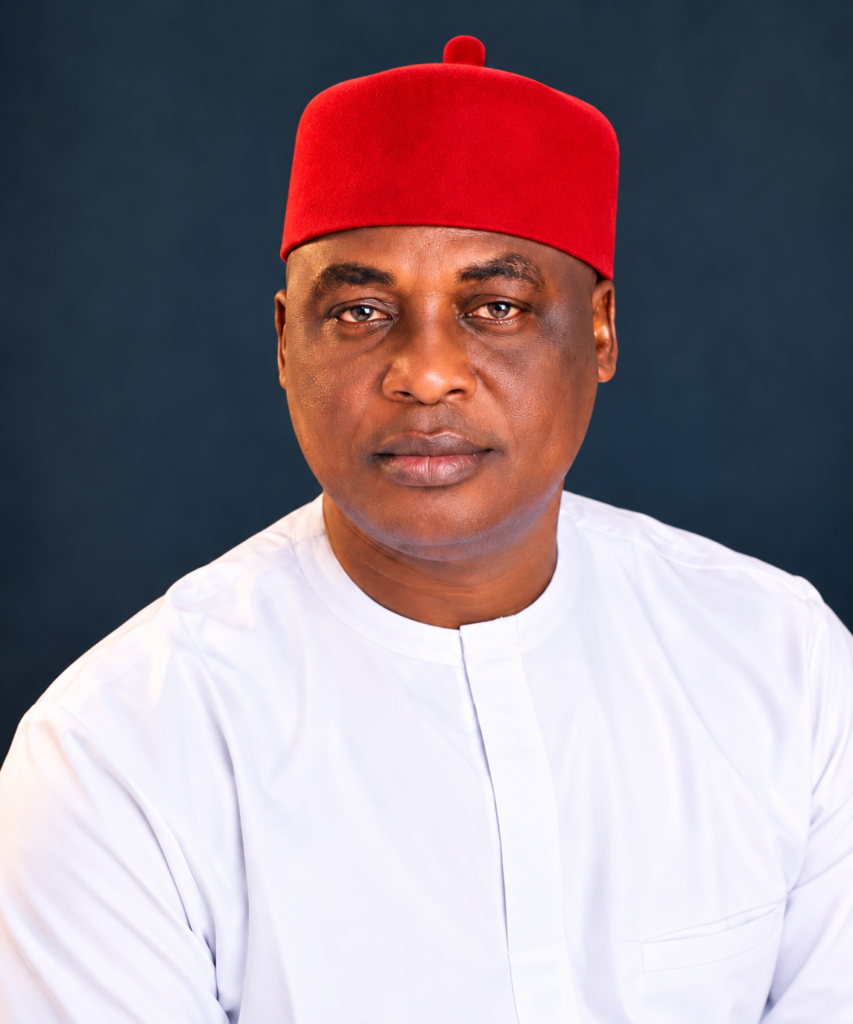
In an Open Memorandum to the 10th National Assembly and all elected/appointed officials of the Federal Republic of Nigeria, Agoha argued that the continued patronage of foreign healthcare, education, shopping and leisure destinations by Nigerian public officials represents a troubling contradiction at a time when the country is battling economic hardship, infrastructure deficits and capital flight.
Agoha described the situation as a “crisis of leadership and capital flight,” arguing that the practice amounts to a loss of confidence in the institutions and services that Nigerian leaders are responsible for strengthening.
“This systemic indulgence is a direct vote of no confidence in the very institutions you are elected to manage and fix,” Agoha stated.
‘How Many Foreign Leaders Come to Nigeria?’
At the heart of the memorandum is a challenge to Nigeria’s political leadership to examine the extent to which foreign political leaders depend on Nigerian services.
Agoha asked:
“How many presidents, lawmakers, or ministers from Europe, North America, the Middle East, Asia, or South America travel to Nigeria for medical treatment, vacations, or undergraduate education?”
He maintained that Nigeria’s continued dependence on foreign destinations for essential and non-essential services by members of its political class reflects weaknesses in the country’s domestic institutions.
According to him, nations that have developed functional healthcare systems, universities, secure tourism destinations and strong domestic economies have done so partly because their leaders and citizens have confidence in—and patronise—their own systems.
Demand for New Legislation
Agoha is therefore demanding the immediate introduction and passage of what he described as a “Public Officers Accountability and Local Patronage Bill.”
He proposed that the legislation should prohibit elected and appointed public officials, as well as their immediate families, from using public or private resources for specified foreign expenditures.
His proposals include restrictions on foreign medical services, international holidays and vacations, foreign luxury shopping and undergraduate degree programmes abroad.
Agoha argued that such a policy would compel political leaders to become personally invested in improving Nigeria’s healthcare, education, manufacturing, hospitality and other domestic sectors.
“Force a direct investment into local Nigerian teaching hospitals and healthcare infrastructure,” he said of the proposed restriction on foreign medical services.
On foreign holidays and vacations, he argued that keeping such spending within Nigeria would help stimulate the domestic hospitality industry, while restrictions on luxury shopping abroad could encourage patronage of Nigerian manufacturers, textile producers and businesses.
Children of Public Officials and Nigerian Universities
Perhaps the most controversial proposal in the memorandum is Agoha’s demand that the children of public officials should attend Nigerian universities for their first degrees.
He argued that political leaders would have a stronger incentive to resolve the country’s educational problems if their own children were dependent on Nigerian universities.
“If our public universities are disrupted by strikes, your children should feel the impact,” Agoha declared.
He similarly challenged public officials to experience the shortcomings of Nigeria’s healthcare system firsthand.
“If our public hospitals lack basic diagnostics, your health should depend on your ability to fix them.”
‘True Leadership Requires Solidarity’
Agoha’s memorandum ultimately framed the issue as one of leadership accountability and solidarity with ordinary Nigerians.
He argued that public office holders cannot credibly demand patriotism from citizens while simultaneously demonstrating a preference for foreign institutions and markets.
“True leadership requires solidarity with the governed,” he said.
He further challenged public officials:
“If you are not proud enough to use the services you provide, you have no business occupying public office.”
Agoha concluded by urging the National Assembly to seize what he described as a historic opportunity to promote patriotism, fiscal discipline and domestic investment.
“Pass the bill, ban foreign indulgence, and let us rebuild Nigeria together,” he said.
The memorandum places before the National Assembly a provocative policy proposition: whether Nigeria can compel its political leadership to become more directly invested in the quality of the healthcare, education, manufacturing, tourism and other institutions upon which ordinary citizens depend.
EMTV News understands that the proposal, if taken up for legislative consideration, would also raise significant questions about the balance between public accountability, individual freedom and the rights of public officials and their families to make private choices about healthcare, education and personal expenditure.
Kindly share