By Darlington Onyebuchi Agoha
Thank you for reading this post, don't forget to subscribe!As the 2027 general elections approach, voters in Bende Federal Constituency face an important opportunity to scrutinise representation, accountability, infrastructure and the tangible impact of federal representation on their communities.
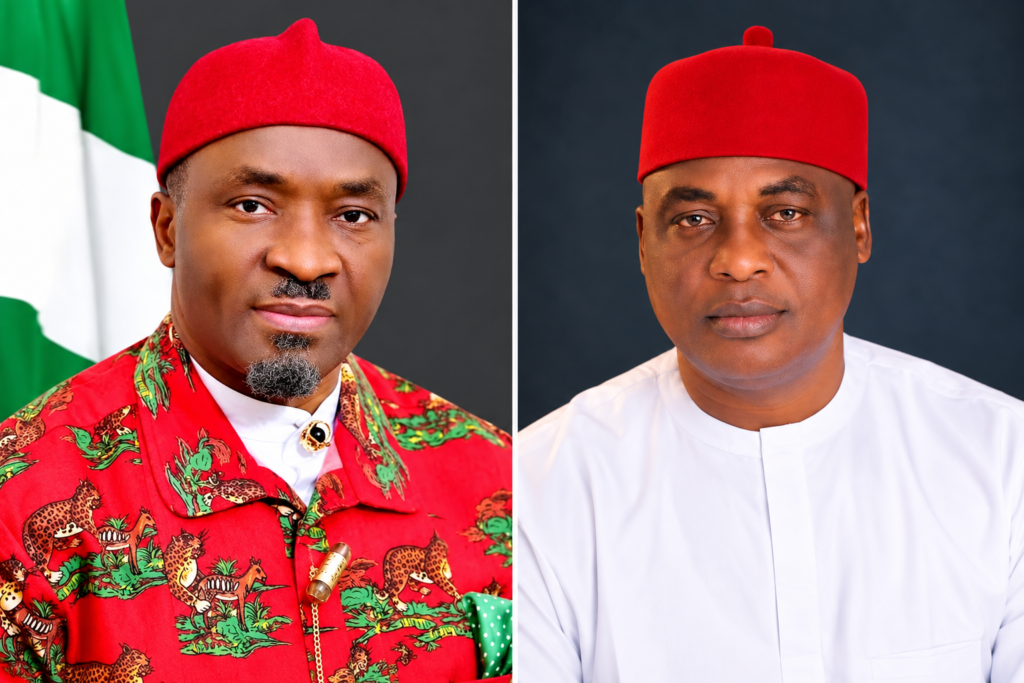
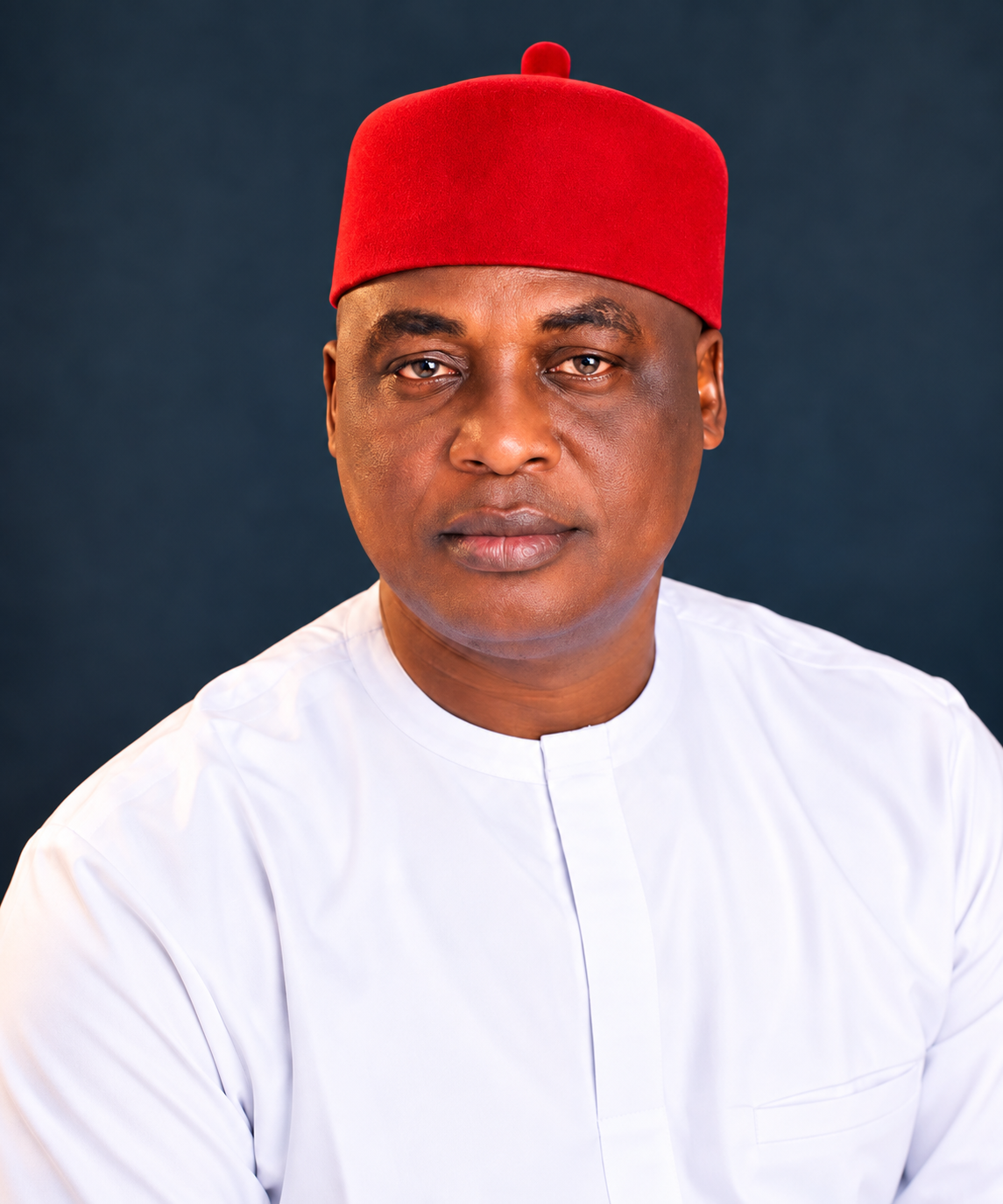
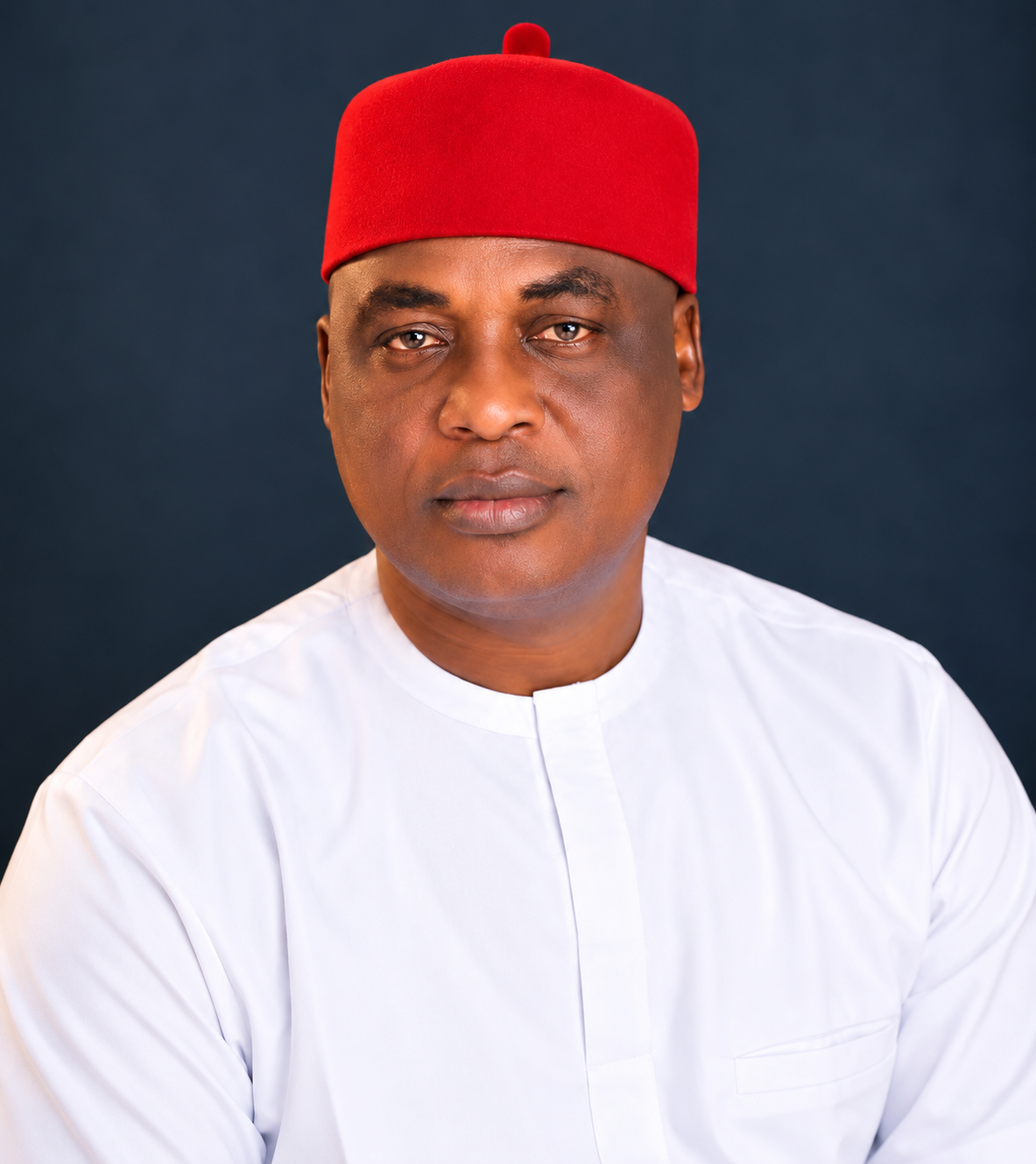
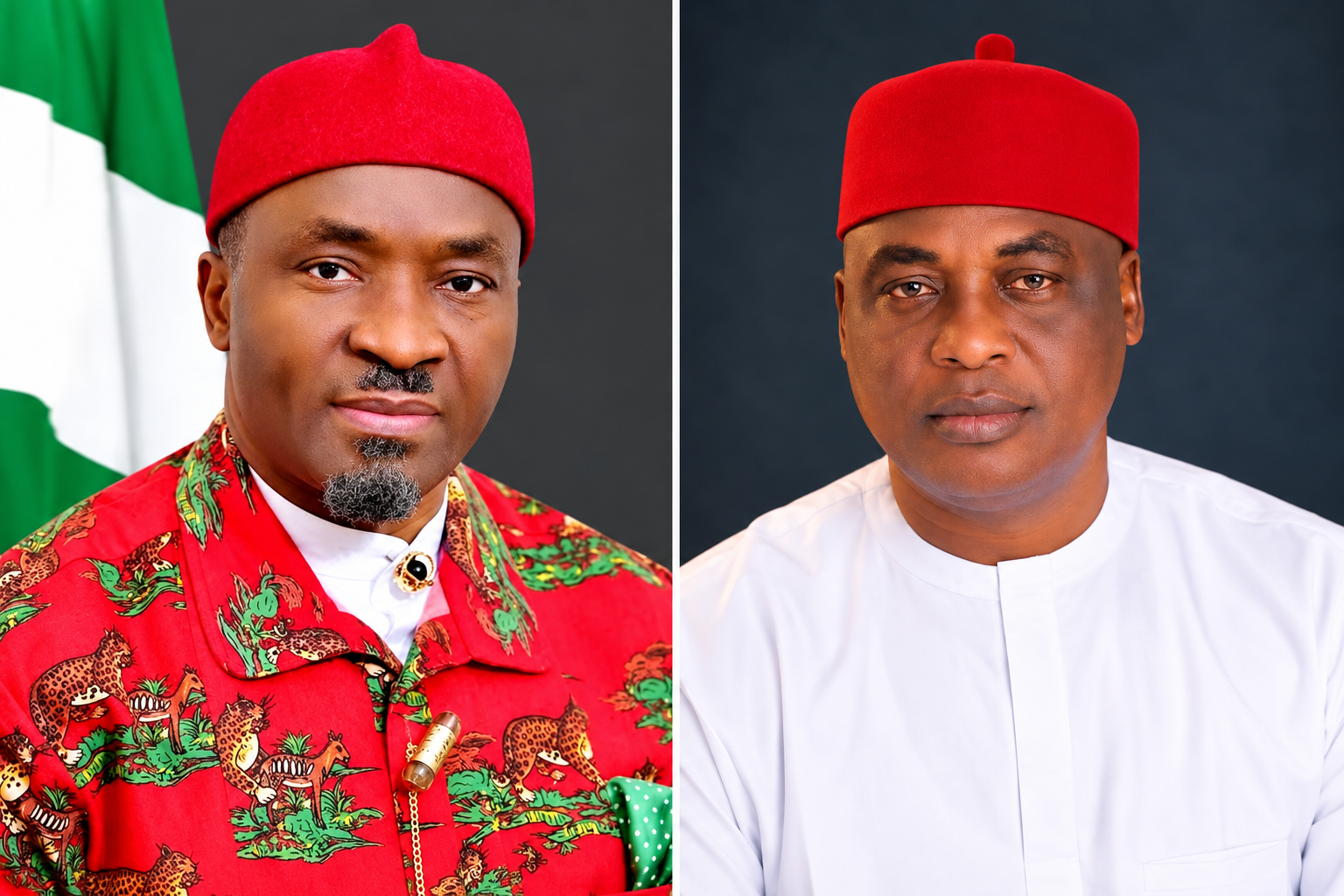
Rt. Hon. Benjamin Okezie Kalu, the current Deputy Speaker of the House of Representatives and representative of Bende Federal Constituency, has served in the National Assembly since 2019.
Against this background, questions about whether his record justifies another term deserve to be examined openly, critically and on the basis of verifiable evidence.
For critics of Kalu’s continued representation, three broad areas require particular scrutiny.
THE LEGACY OF SUBSTANDARD AND FLAWED INFRASTRUCTURE
A tour of communities across Bende Federal Constituency—including Nkpa, Uzuakoli, Item, Ozuitem, Alayi, Ezeukwu, Akoli Imenyi, Lohum Imenyi and Amorji Imenyi—raises questions about the quality, durability and maintenance of some infrastructure projects attributed to federal intervention.
Critics allege that some roads and related infrastructure have deteriorated shortly after construction, particularly following seasonal rainfall. Such allegations, however, should be subjected to independent engineering assessments, procurement records and project-completion documentation before definitive conclusions are drawn.
One project frequently cited by critics is the Nkpa Ecological Fund Project. According to the account presented by opponents of the incumbent, portions of the road, drainage channels and bridge structures reportedly suffered serious washouts before or around the period of commissioning, followed by remedial work after public concerns were raised.
If these claims are substantiated, they raise a fundamental question: should public infrastructure be designed merely to provide immediate relief, or should it be constructed to meet appropriate engineering standards and remain functional over the long term?
Bende deserves infrastructure whose quality can withstand independent technical scrutiny.
LEGISLATIVE ACHIEVEMENTS, ATTRIBUTION AND LOCAL DEVELOPMENT
Another issue deserving public examination is the distinction between legislative advocacy, sponsorship, implementation and political attribution.
The South-East Development Commission Question
Supporters of Kalu have prominently associated him with the establishment and advancement of the South-East Development Commission. However, the National Assembly’s own historical record shows that a 2017 bill to establish the South-East Development Commission was sponsored by Senator Stella Oduah of Anambra North and Senator Samuel Anyanwu of Imo East.
This does not, by itself, negate any subsequent role Kalu may have played in advancing, reintroducing, amending or securing legislative support for the commission.
The more useful question for voters is therefore not simply who first introduced an earlier bill, but what specific contribution each legislator made at each stage of the legislative process and what measurable benefits the resulting institution has delivered.
Local Economic Development
A separate concern raised by critics is the apparent gap between Kalu’s national prominence as Deputy Speaker and the economic infrastructure available within parts of his immediate constituency.
For example, critics have questioned the availability of major commercial and financial services around the Bende Local Government headquarters and the scale of visible federal infrastructure within the area.
These claims should be independently verified against current records and field evidence. But the underlying question remains legitimate: what measurable transformation has Bende experienced during the period in which its representative has occupied one of the most influential positions in the House of Representatives?
That question deserves an answer based on projects completed, their quality, their economic impact and their accessibility to ordinary constituents.
LEGISLATIVE BILLS, INSTITUTIONAL PROMISES AND IMPLEMENTATION
The distinction between legislation and implementation is particularly important when assessing claims about new federal institutions.
The National Assembly records show that Kalu sponsored the Federal College of Education, Bende (Establishment) Bill, 2023, which passed through legislative stages in the House.
More recent National Assembly records also show that bills concerning the Federal College of Education, Bende and a proposed Federal Medical Centre/health-sciences institution in Item, Bende, remained subjects of legislative amendment and consideration in 2026.
This is an important distinction.
A bill, even when passed or assented to, establishes a legal framework; it does not automatically mean that a fully operational institution—with completed buildings, staff, students, equipment and sustained funding—is already functioning.
Consequently, constituents should ask straightforward questions:
- Where are the permanent facilities?
- What budgetary allocations have been released?
- What stages of construction have been completed?
- Has staff recruitment commenced?
- Are academic or medical services actually operational?
- What is the implementation timetable?
- What federal agency is responsible for delivery and supervision?
These are measurable indicators of institutional delivery and should form part of any serious assessment of representation.
SOCIAL MEDIA, POLITICAL COMMUNICATION AND THE QUESTION OF SUBSTANCE
Another issue concerns the way political achievements are communicated to constituents.
In a constituency with entrepreneurs, international traders, professionals and academics, images of overseas engagements or routine international travel may have limited value as evidence of constituency development unless they are connected to specific investments, partnerships, contracts, skills programmes or other measurable outcomes.
The relevant question should therefore not simply be where a representative travels, but what public value results from those engagements.
Similarly, political communication should be assessed against verifiable outcomes rather than the volume of publicity surrounding a project.
BEYOND POLITICAL OPTICS
The 2027 election provides an opportunity for the people of Bende Federal Constituency to examine representation through evidence rather than political rhetoric.
The central issues should include the quality and durability of constituency projects, legislative effectiveness, implementation of sponsored initiatives, transparency in project attribution, economic development and the measurable benefits delivered to communities.
Whether voters ultimately support or reject any candidate is a decision for the electorate. But whichever candidate seeks their mandate should be prepared to answer difficult questions and present verifiable evidence.
Bende Federal Constituency deserves a public conversation grounded in facts, transparency and measurable results.
The standard should be simple:
What was promised? What was legislated? What was funded? What was built? What is working? And what has changed in the lives of the people?
Those questions should guide the conversation as Bende approaches 2027.
*Darlington Onyebuchi Agoha is a Public Interest Advocate, Global Protector, and International Honorary Award Winner
Kindly share